
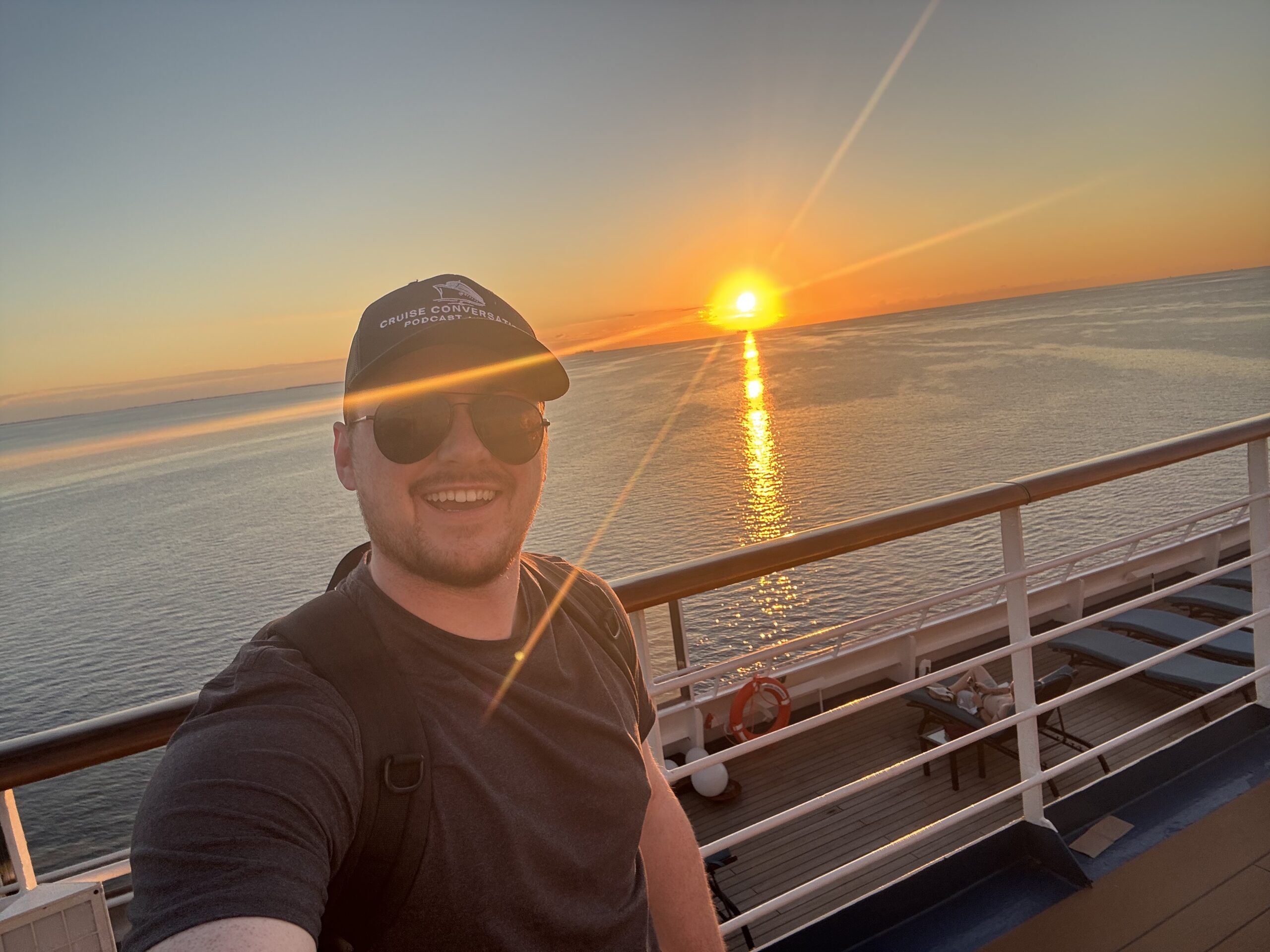
Back in November, I took my second solo cruise. Over the past year and a half, I’ve been learning a lot about solo travel as I’ve taken more trips on my own.
Cruising solo isn’t always the cheapest option. You don’t have someone to split costs with, and solo supplements can add up quickly. However, if you stay flexible and look at the full picture, it’s still possible to save money. That was exactly the case on my recent Carnival Conquest sailing.
Beyond the cruise fare itself, there are also plenty of ways to cut costs before and during your trip. Below are some of the things I did on this last-minute solo cruise to keep expenses as low as possible.
Flying Budget Airlines

When I decided to book this cruise, I wanted to avoid paying a fortune for a last-minute flight to Miami. Normally, I fly American Airlines out of Charlotte Douglas International Airport. However, with only a week to go, prices were extremely high.
Instead, I checked a smaller regional airport nearby. That’s when I found a seasonal round-trip flight on Avelo Airlines to West Palm Beach for about $107, including a carry-on bag.
Since this was only a four-night cruise, I decided to pack carry-on only. Packing light made sense for a short sailing and helped keep my flight costs down. It also made travel days quicker and easier overall not having to check a bag and wait for it at arrival.
While West Palm Beach isn’t Miami, it still worked out well. From there, I took the Brightline train to Miami, which took about an hour and 15 minutes and cost $19 each way. Even after adding the train, the total cost was still far less than flying directly into Miami.
Another benefit was my return flight time. My flight home wasn’t until around 9 p.m. on Friday, which meant I didn’t feel rushed after the cruise. When I made it back to West Palm I visited a local Coffee shop, Subculture Coffee, and worked on podcast and vlog editing for a few hours. Afterward, I headed to a happy hour at El Camino, a local Mexican restaurant, for dinner and drinks.
Staying in a Hostel in Miami

The night before the cruise, I explored several lodging options, including hotels, Airbnbs, and hostels around Miami Beach. While hostels aren’t as common in the U.S., they’re very popular internationally.
I ended up staying at Viajero Hostel on South Beach. I shared a four-person room and paid just $35 for the night.
I know what you might be thinking — sleeping in a room with strangers doesn’t sound ideal. I totally get that. However, the experience ended up being surprisingly great.
The hostel had a comfortable lobby, a shared work and kitchen area, two bars, and a pool with an outdoor courtyard. That evening, I spent time at the Swizzle bar, which offered discounted $7 drinks for guests. I also got la ocal food recommendation for dinner and had some great conversations with other travelers staying there.
Using Public Transportation in Miami
On embarkation morning, I checked Uber and Lyft prices from South Beach to the cruise port. Rides were around $45. That’s an easy cost to split when traveling with others, but solo, it adds up quickly.
Since I wasn’t in a rush, I decided to use public transportation instead. It only added about 20 extra minutes to my travel time. I took the bus, which cost about $2.20, to Bayside Marketplace.
Once there, I grabbed Starbucks, got some work done, and walked around the market for a bit. After that, I took the free trolley from Bayside directly to the cruise port. It was simple, affordable, and stress-free.
Booking the Cruise Last Minute
I booked this cruise just one week before sailing. Surprisingly, it was only about $100 more to cruise solo, which made it an easy decision.
I also paid roughly $25 to upgrade from an interior cabin to an ocean-view room. That upgrade ended up being well worth it. The cabin had a couch, and the window was a decent size rather than a small porthole.
Booking last minute can be a risk, since deals aren’t always guaranteed and cruises do sell out. That said, it’s worth monitoring prices if your schedule is flexible. At dinner each night, I met several other solo cruisers who had also booked last minute because of the deal.
Cruise Add-Ons: What I Skipped and What I Didn’t
To keep costs down, I decided to skip the drink package on this cruise. I went back and forth on this decision leading up to sailing. Ultimately, two of the four days were spent at private islands where the package didn’t apply, which made the choice easier.
Instead, I paid for drinks à la carte. Honestly, I didn’t end up drinking much throughout the cruise, so this saved me money overall.
I also chose not to book any specialty dining. Rather than paying extra, I ate in the Main Dining Room each night. This worked out well, especially since I was seated with other solo cruisers around my age, roughly 25–35. Not only did this help keep costs down, but it also made dinners more social and enjoyable.
One add-on I did purchase was Wi-Fi. I chose the premium plan, which included things like live streaming and Spotify, and it cost about $25 per day. While I usually skip Wi-Fi when cruising with family or friends, I find it especially useful when cruising solo. I was able to post updates to our social media, listen to music on Spotify, and watch Survivor live on YouTube TV without any issues.
Bringing Allowed Drinks From Home

Since I was trying to keep costs down on this cruise, I also took advantage of what Carnival allows guests to bring on board. Packing a few approved drinks ahead of time helped me avoid extra onboard spending.
I brought one bottle of wine with me, which is allowed per guest. I also packed a 12-pack of non-alcoholic canned beverages. For those, I brought a mix of iced coffees for the mornings and Celsius drinks for the evenings.
This worked out especially well since I was cruising solo. Having drinks in my cabin meant I didn’t feel the need to buy coffee or energy drinks every day. It was a small decision, but the savings added up over the course of the cruise.
That said, beverage policies can change and may vary by cruise line. Always check your cruise line’s current rules before packing drinks for your trip.
Would I Do This Again?
Overall, I would absolutely cruise this way again. From a travel standpoint, I’d repeat almost everything I did on this trip. Flying budget, packing carry-on only, booking last minute, and using public transportation all worked well and helped keep costs low.
I would also purchase Wi-Fi again when cruising solo. Bringing the allowed drinks from home is another choice I’d repeat, since it helped cut down on daily onboard spending.
That said, some decisions would still depend on the itinerary and the deal. While skipping the drink package made sense on this cruise, there are times when I would consider adding it back. On my MSC Seashore solo cruise, for example, the drink package felt more worthwhile due to cost and itinerary. There’s something appealing about not having to think about drink prices or onboard taxes once you’re on the ship.
If you want to see how all of this played out day to day, I documented this entire sailing in my Carnival Conquest solo cruise vlogs, which give a real look at what cruising solo is actually like. I also wrote a blog on my first impressions of visiting Celebration Key.
Final Thoughts
Solo cruising doesn’t have to be expensive if you’re willing to stay flexible and make a few intentional choices along the way. From flights and lodging to onboard add-ons, small decisions can add up to meaningful savings. Hopefully these tips help you plan a solo cruise that fits both your travel style and your budget.